You Can Still Buy These Products That Were Sold in 1776
Cologne worn by George Washington. Applejack drunk by his troops. Cornmeal ground on the same stones since 1696. Here are 12 products sold in 1776 that you can still buy today, some from the same companies.
Alden Cooke
7/18/202610 min read
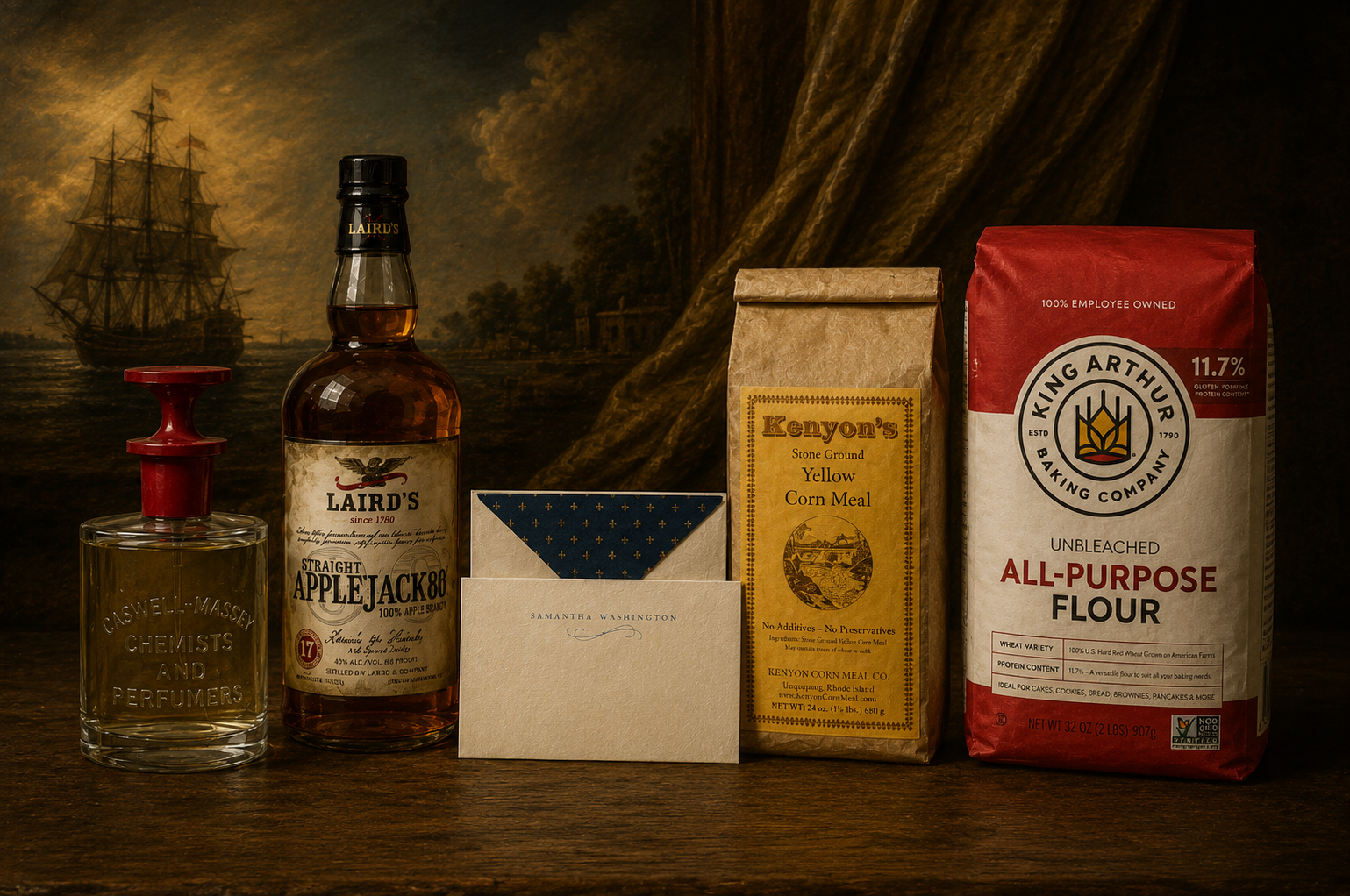
Products still sold today from the original companies
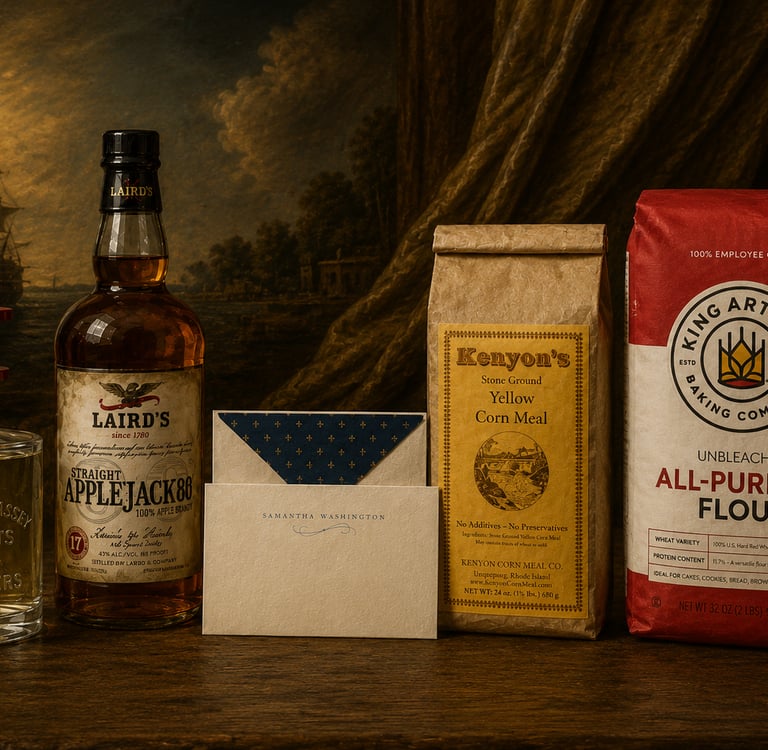
Pictures were created with AI using product images from the respective manufacturers
From left to right: Caswell-Massey Number Six Cologne, Laird's Applejack, Crane Stationery, Kenyon's Stone-Ground Cornmeal, King Arthur Flour
Table of Contents
Products from the original manufacturer:
Products still made the traditional way:
Beeswax Candles (Bluecorn Candles)
Hard Apple Cider (Anxo Cider)
Cast Iron Cookware (Lodge Cast Iron)
Lye Soap (Grandma's Lye Soap)
Wool Blankets (Faribault Mill)
Quill Pens (Sampson Historical)
The same products, 250 years later
Here is something that might break your brain a little: several businesses that were open during the American Revolution are still open right now. Not "inspired by" or "honoring the tradition of." Actually open, actually selling things, some of them from the same family.
If your ancestors lived in colonial America, they bought candles, drank hard cider, wore cologne, wrote on paper, and ate cornmeal cooked over a fire. Some of the companies that supplied those things are still around. And if you want to feel something real about American history, buying cologne that George Washington also used for yourself as a gift is a more direct connection than almost anything else you can do at your desk. And one of these products you might already have in your kitchen today!
Here are 12 products sold in 1776 that you can buy today, starting with the ones tied to the same actual company.
Products from the original manufacturer:
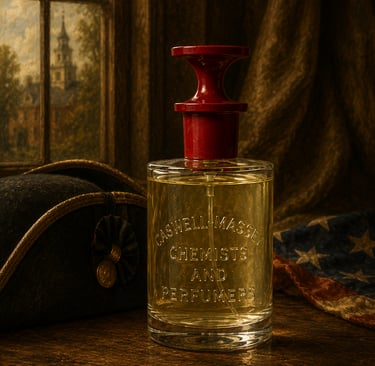
Caswell-Massey Number Six Cologne
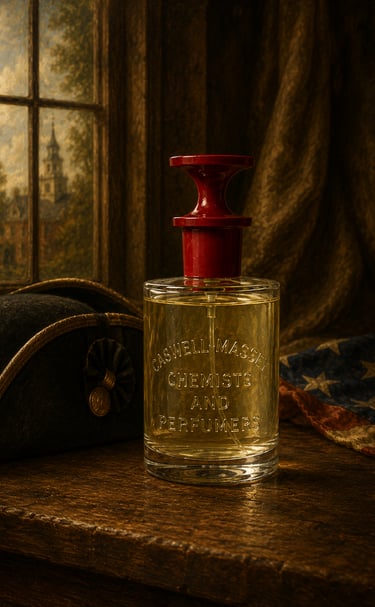
In 1752, a Scottish-born doctor named William Hunter opened an apothecary shop in Newport, Rhode Island. By 1772, he had developed a citrus and herb fragrance he called Number Six. George Washington bought it when he visited Newport in 1781, liked it enough to gift a bottle to the Marquis de Lafayette, and wore it for the rest of his life.
The company is now based in New Jersey and sells exclusively online and through select retailers. Number Six is still in production, making it the longest continuously manufactured fragrance in American history, according to its website. Number Six (or any of their other soaps and women's fragrances as well) makes an excellent gift for the history enthusiast in your life, especially for anyone who has a thing for the Founders.
Website: caswellmassey.com
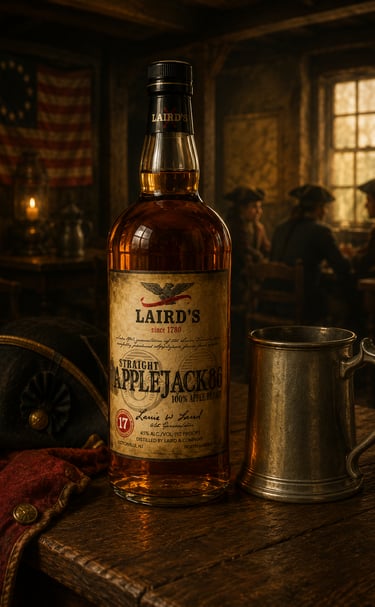
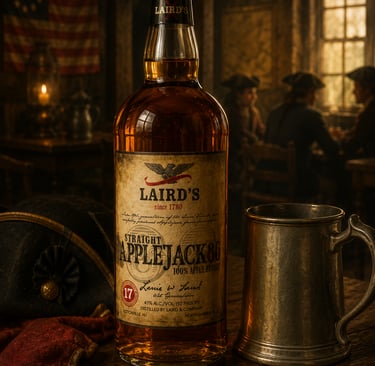
Laird's Applejack
When George Washington wrote to the Laird family asking for their recipe for "cyder spirits," he was writing to people who had been distilling apple brandy in Monmouth County, New Jersey, since 1698. Robert Laird served in the Continental Army, supplied Washington's troops with applejack during the Revolution, and in 1780 received License No. 1 from the newly formed United States Treasury, making Laird & Company the oldest licensed distillery in America.
Today in their ninth and tenth generations, the family sells several versions of their apple brandy, from the blended Applejack (the most mixable, good in an Old Fashioned) to the Jersey Lightning, an unaged 100-proof version that is pretty close to what soldiers were drinking in 1776. It is a genuinely good gift for someone who cooks as well as someone who drinks, since applejack was used in colonial kitchens as well as at the table.
Website: lairdandcompany.com
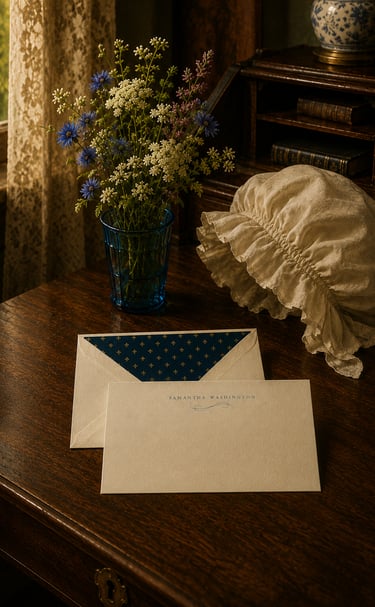
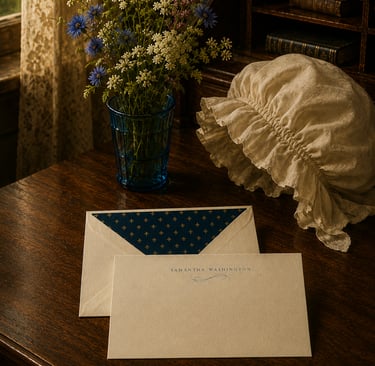
Crane Stationery
In 1770, a Boston patriot named Stephen Crane bought into a paper mill in Milton, Massachusetts, named it the Liberty Paper Mill, and began supplying paper to the colonial cause. Paul Revere used Crane paper to print currency for the American colonies. Stephen's son Zenas later founded Crane & Co. in Dalton in 1801, and since 1879 every piece of American paper currency has been printed on Crane paper. The stationery division has since been sold to Mohawk Fine Papers, but Crane stationery is still produced and sold under the Crane name.
For a genealogist or history lover, a set of Crane note cards has real meaning; this is the paper the Revolution ran on. Letterhead, thank-you notes, and correspondence for weddings and celebrations: the product line covers it all.
Website: crane.com
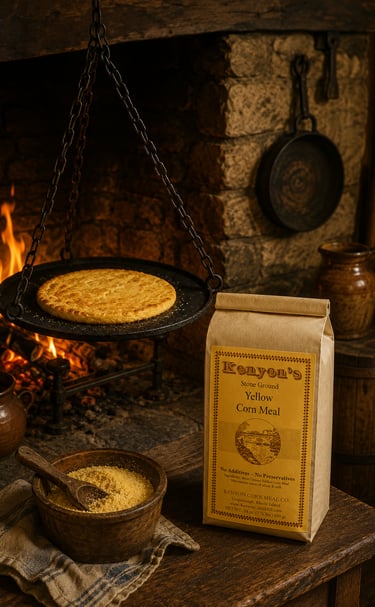
Kenyon's Stone-Ground Cornmeal
The mill at Usquepaugh, Rhode Island, has been grinding corn continuously since 1696. That is not a typo. The granite millstones are still there, still quarried from Westerly, Rhode Island, and the mill is still open to visitors. The current building dates to 1886, but the grinding operation itself goes back to before anyone reading this was born by quite a few generations.
In 1776, cornmeal was a staple of colonial life. It was what soldiers ate, what farm families ate, and what Benjamin Franklin apparently considered superior to a Yorkshire muffin. Kenyon's sells its stone-ground white cornmeal for making johnnycakes, a traditional Rhode Island food, as well as cornbread mix, pancake mix, and several other products. You can order online and have it shipped anywhere in the country.
Website: kenyonsgristmill.com
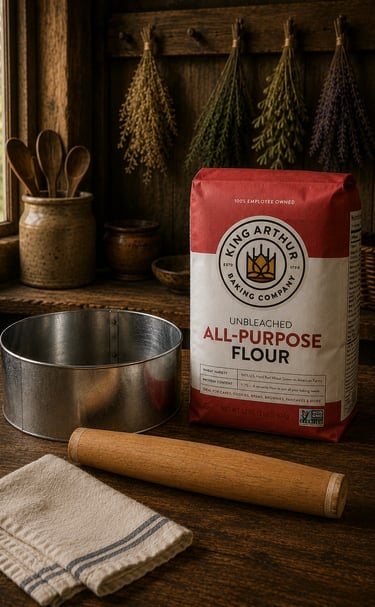
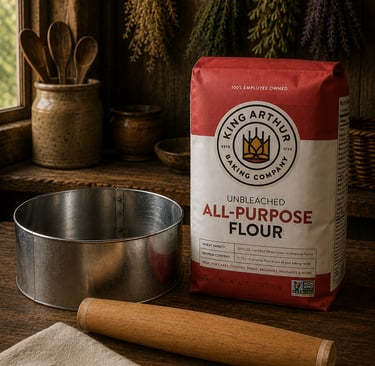
King Arthur Flour
Henry Wood started importing English flour into Boston in 1790, just one year after Washington's inauguration, making his company the first flour business in the United States. The company stayed in the same family for five generations, became employee-owned in 2004, and changed its name to King Arthur Baking Company in 2020.
The flour itself, the white unbleached all-purpose version, is what colonists were baking with from the very start of the republic. To be precise, 1790 is 14 years after 1776, so this is really an item "sold in the years immediately following the Revolutionary War" rather than 1776 exactly. You can buy it at most grocery stores or directly from King Arthur's website. If you want to bake something your great-great-great-great-grandparents might have made, this is where to start. They also have an excellent free baker's hotline if you run into trouble.
Website: kingarthurbaking.com
Beeswax Candles
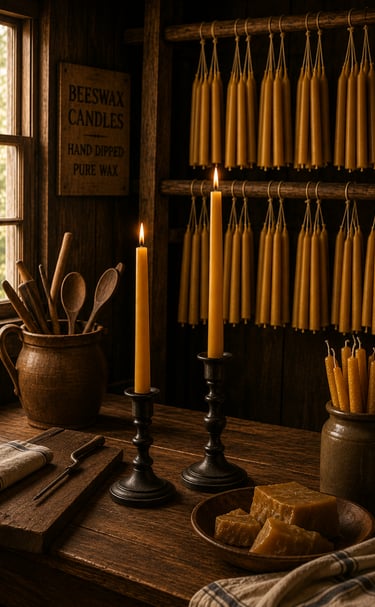
In 1776, if you could afford beeswax candles, you bought beeswax candles. Tallow candles (made from animal fat) were what most people used, and they smelled exactly as unpleasant as you are imagining. Beeswax candles burned clean, burned long, and cost enough that they were kept for company or special occasions. The colonial chandler was a real profession, making candles for households that did not have time to make their own.
A great option for candles made the original way is Bluecorn Candles, based in Montrose, Colorado. They make 100% pure beeswax tapers, votives, pillars, and tea lights by hand. The founder, Jon Kornbluh, learned to hand-dip beeswax candles in 1991 in a one-room cabin in Telluride with no electricity, working by candlelight and hanging finished tapers from ropes strung wall to wall. Their tapers are the closest thing available today to what a colonial household would have burned on a good occasion with the same wax and dipping process.
Website: bluecorncandles.com
Products still made the traditional way
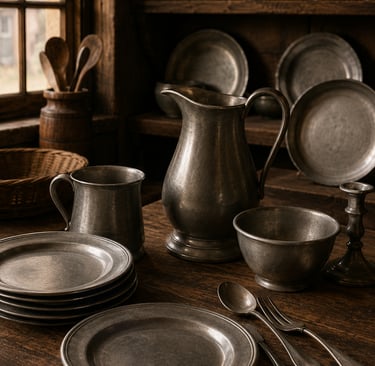
Pewter Tableware
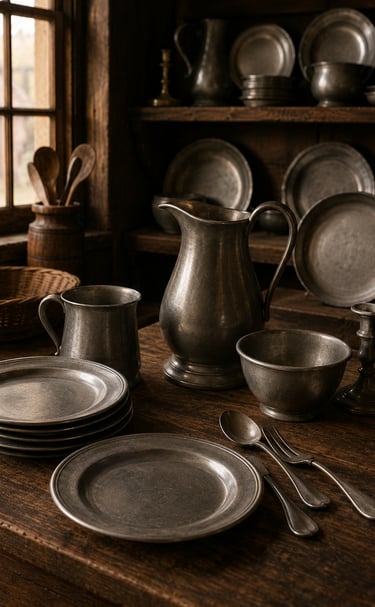
Pewter was the most common tableware in colonial American households through the 1700s. It was what most families ate off of if they could not afford silver. Washington himself commissioned 24 pewter camp cups from Philadelphia silversmith William Hollingshead in 1776 for use during his military campaigns. The cups were engraved with his family crest.
The Colonial Williamsburg Foundation, an excellent source of many colonial-inspired products, sells a lead-free reproduction of Washington's camp cup, hand-finished, that you can have personalized with an engraved monogram. It is one of the more historically specific gifts on this list. Buying from the shop also supports the Foundation's preservation and education work directly.
Website: shop.colonialwilliamsburg.com
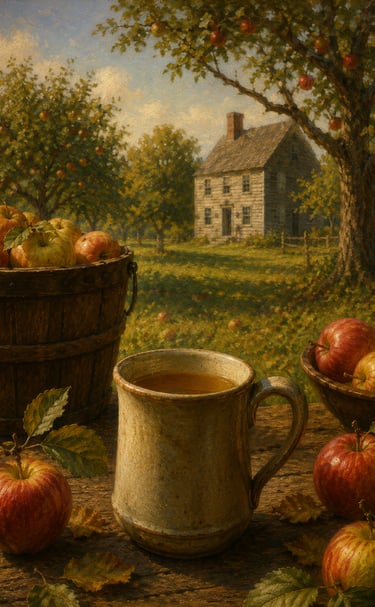
Hard Apple Cider
Cider was not a weekend hobby in 1776. It was what colonial Americans drank instead of water, because water was frequently unsafe. Harvard and Yale passed jugs of hard cider around the dining table at meals. Children drank a lighter version. Workers started their mornings with it. The apple orchards that colonists planted as soon as they arrived in New England existed largely to supply cider, not to eat the fruit.
Several small American cideries now make traditional hard cider using heritage apple varieties and methods that closely match what 18th-century drinkers would have known. Have fun checking out local options. If there's nothing close by, Anxo Cider in Washington, D.C., specializes in dry, tart French-style ciders made from American apples, which is the closest you are going to get to colonial-era cider. They sell online and ship to select states.
Website: anxocider.com
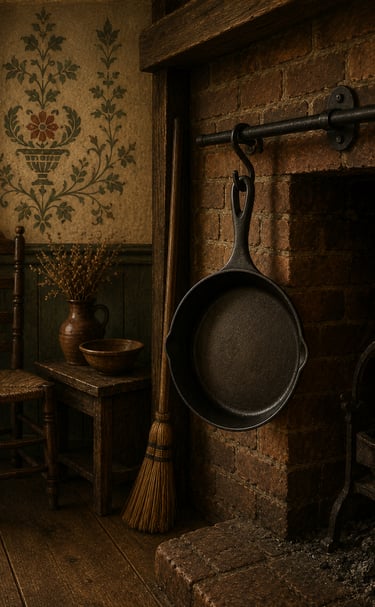
Cast Iron Cookware
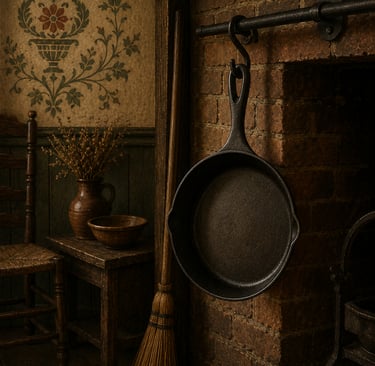
Before the kitchen stove arrived in the mid-1800s, cooking in colonial America happened entirely over a hearth or open fire. Cast iron was the dominant cooking material: skillets, dutch ovens, and griddles that could be set directly into coals or hung over a flame. A well-seasoned cast iron pan was passed down through families the way furniture was.
Lodge Cast Iron, based in South Pittsburg, Tennessee, has been making cast iron cookware in the same town since 1896. Their skillets are made in America, still seasoned with natural oils, and will outlast everyone reading this post. A Lodge skillet is the rare household object you can genuinely buy once and never replace.
Website: lodgecastiron.com
Lye Soap
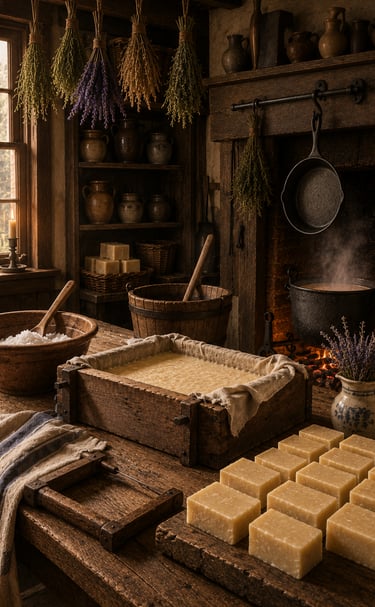
Every colonial household either made soap or bought it, and the recipe was essentially the same everywhere: wood ash lye, animal fat, and water, rendered down into a bar that cleaned skin, clothes, dishes, and floors. There were no other options. The bar soap aisle at the modern drugstore is almost entirely synthetic detergents, which is a recent development — real soap, the kind made through saponification, is a different product entirely and noticeably gentler on skin.
Grandma's Lye Soap, based in Tulsa, Oklahoma, makes their original bar from three ingredients: food-grade lard, water, and sodium hydroxide (lye). That's the whole list. No detergents, no fragrance, no dyes, no preservatives. A colonial soap maker handed a bar would recognize exactly what it is and how it was made. At $6.50 a bar it's also one of the most affordable items on this list, and it ships nationally. They also make a lye-based laundry soap, which is genuinely how colonial households washed clothes — the same product, used the same way, for the same reasons.
Website: grandmaslyesoap.com
Wool Blankets
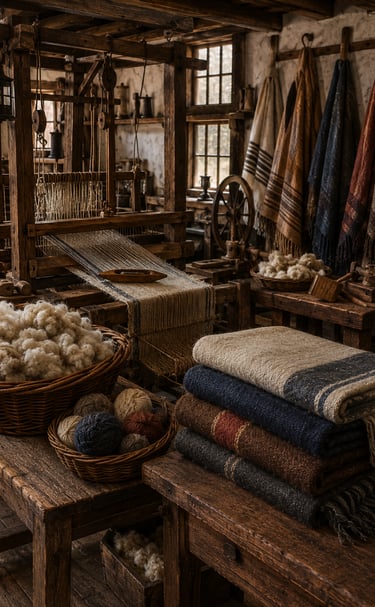
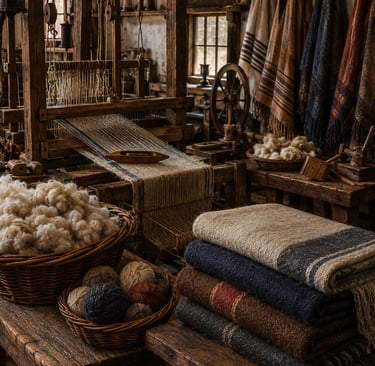
The colonies were cold. Wool blankets were not optional in a world without central heat, synthetic fabrics, or reliable firewood delivery. Every household had them, soldiers marched with them, and a quality blanket was the kind of thing families passed down rather than replaced. Wool was the dominant fiber for warmth in 1776 for the same reason it still works today: it insulates even when wet, breathes, and lasts decades with basic care.
Faribault Mill in Faribault, Minnesota has been weaving wool blankets on the same site along the Cannon River since 1865. Faribault is one of the last fully integrated wool mills left in America, meaning raw fiber goes in one end and a finished blanket comes out the other, all under one roof. They supplied 100,000 blankets to the US Army in World War I and kept going through World War II. Their blankets are made in America, built to last a generation, and available online. For a history lover who actually feels the cold, this is a more useful gift than almost anything else on this list.
Website: faribaultmill.com
Quill Pens
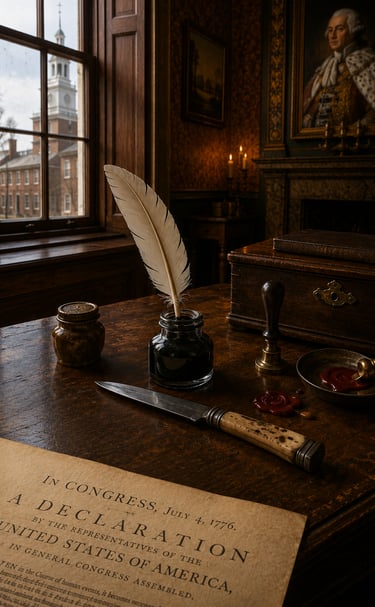
Quill pens were the only writing instrument available in 1776. The Declaration of Independence was signed with them. Letters crossed oceans with them. Everything your colonial ancestors wrote, from land deeds, wills, love letters, to military dispatches, was written with a feather cut from a goose, turkey, or swan. The pen itself was free if you had birds; the skill was in cutting the nib correctly, which took practice and a very sharp knife.
Samson Historical, a three-generation family business based in Lebanon, Indiana, sells real 18th century goose quill pens alongside the India ink, period inkwells, sealing wax, and leather journals to go with them. Their Quill Writing Set puts the whole colonial writing desk experience in a box, which makes it one of the more complete and giftable items on this list. If you have a child or grandchild who is learning about the Revolution, handing them a real goose quill and asking them to sign their name is a fast way to make history feel real, and to make them appreciate ballpoint pens.
Website: samsonhistorical.com
One more thing worth knowing about Samson Historical: if the quill pen isn't enough and you want to enjoy all of these colonial products in full period style, they can outfit you from hat to buckled shoes. Their 18th-century clothing line covers men's, women's, and children's reproduction garments, all of it researched and sourced for historical accuracy. They serve reenactors, museums, and production companies, but there's nothing stopping a genealogist who really wants to get the full body colonial experience.
If your family was in colonial America in 1776, the odds are very good that someone in your line bought at least one of these things. Your ancestry is an enduring gift you can't buy.
Alden Cooke writes about genealogy, American history, and finding the real people behind the records. For more on life in the Revolutionary War period see check out these books and read The Bravery of Your Revolutionary War Ancestors.